
Does the finding match?
Your symptom location, aggravating positions, strength, sensation and movement findings should make clinical sense together.
Conditions We Evaluate
Disc, nerve and joint findings can produce overlapping symptoms. The purpose of an evaluation is to understand what is clinically meaningful, identify safety concerns and determine whether decompression—or another path—fits your case.
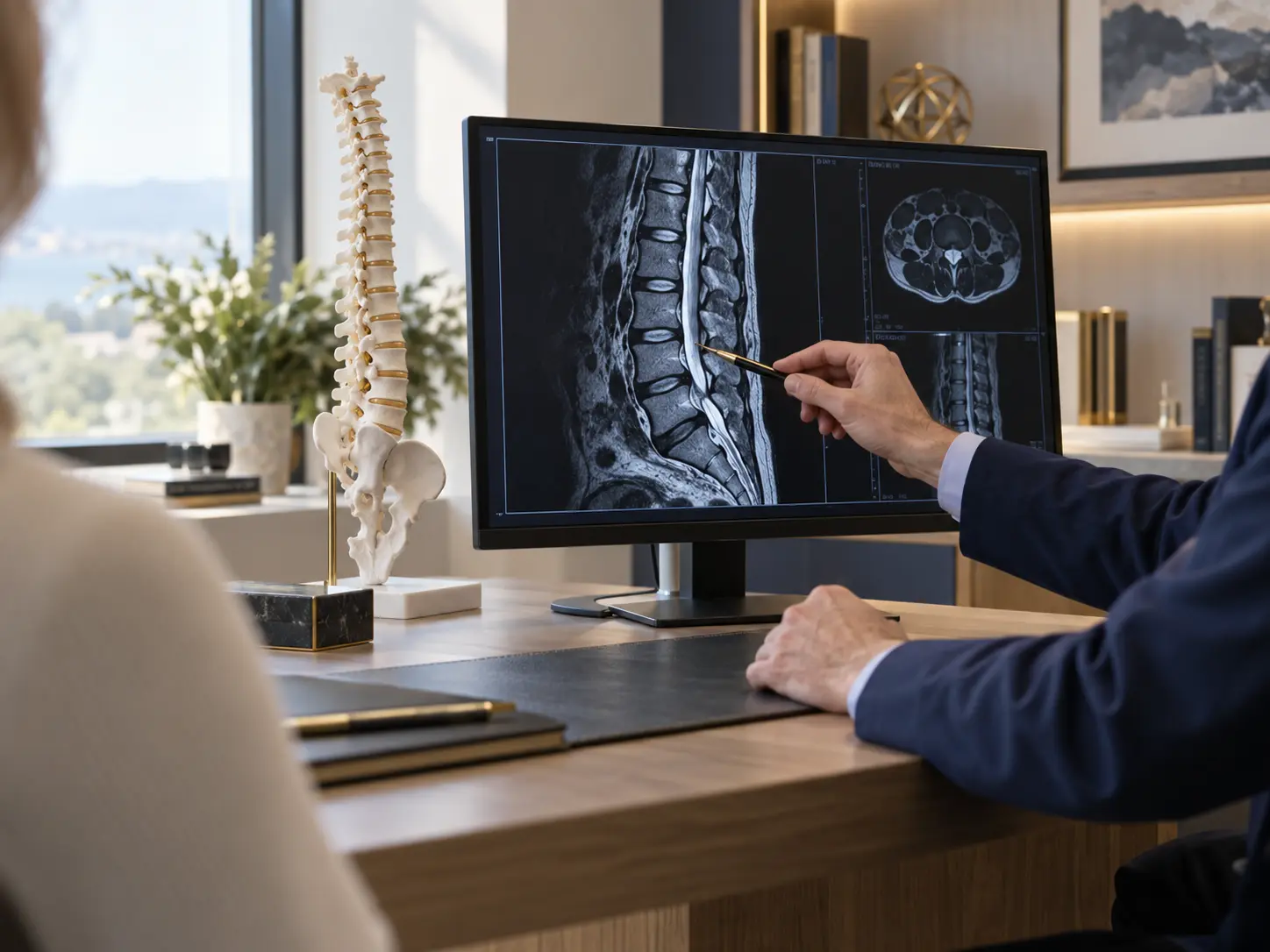
Start With the Pattern
Leg pain may involve a disc, a nerve root, spinal narrowing or another source. Neck and arm symptoms can overlap in the same way. Imaging can provide useful context, but a finding on a scan does not automatically explain the symptoms—or establish that decompression is appropriate.
Explore the guides below to understand the language commonly used around these conditions. A personal evaluation is still necessary to connect those possibilities to your history, examination and goals.
Explore the Guides
Each guide explains common symptom patterns, how the condition is evaluated, where decompression may fit and when another approach may be more appropriate.
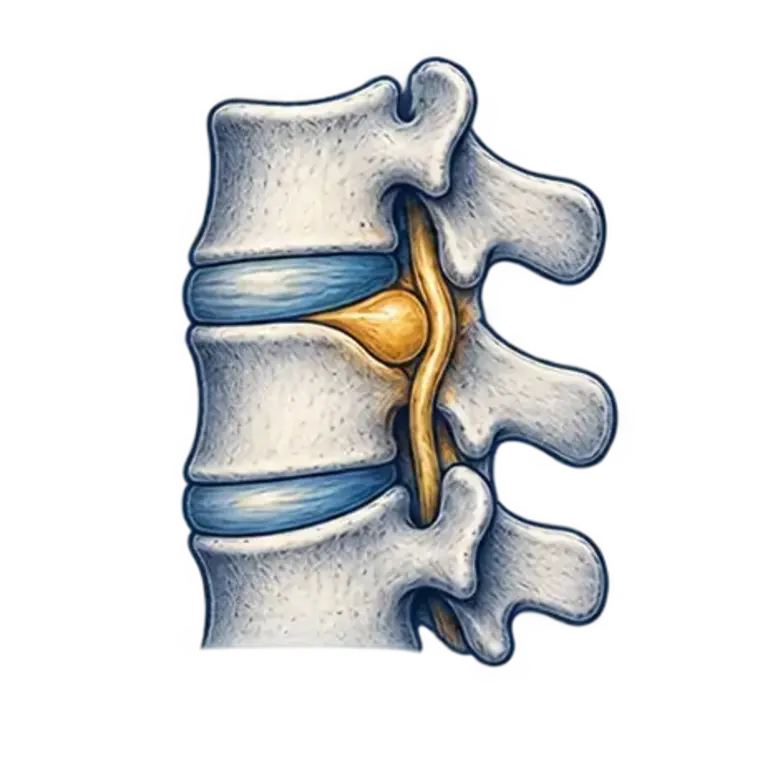
Understand the difference between disc findings, symptom-producing irritation and incidental changes on imaging.
Explore the condition →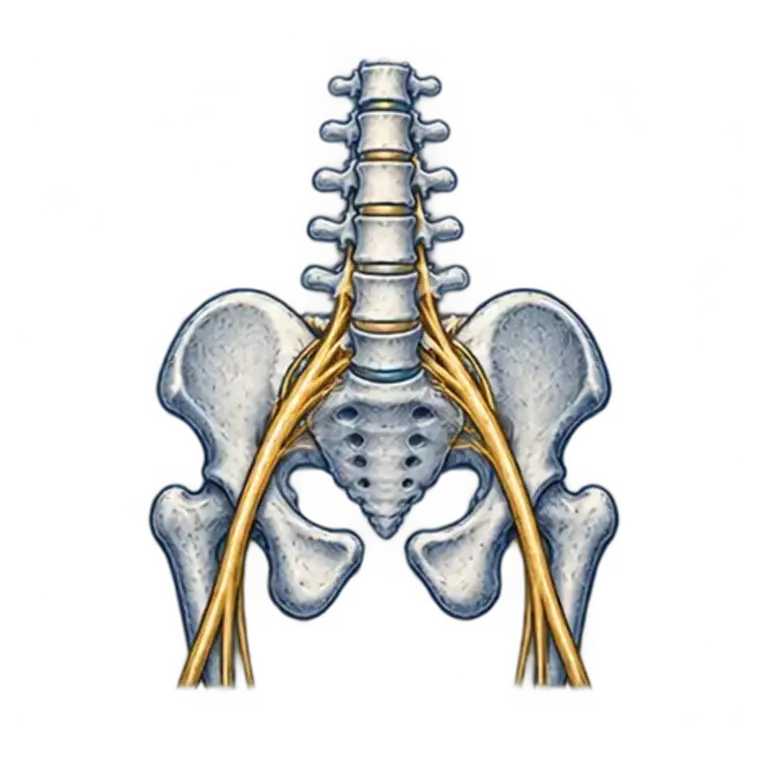
Learn why pain, tingling or numbness can travel from the lower back into the leg and foot.
Explore the condition →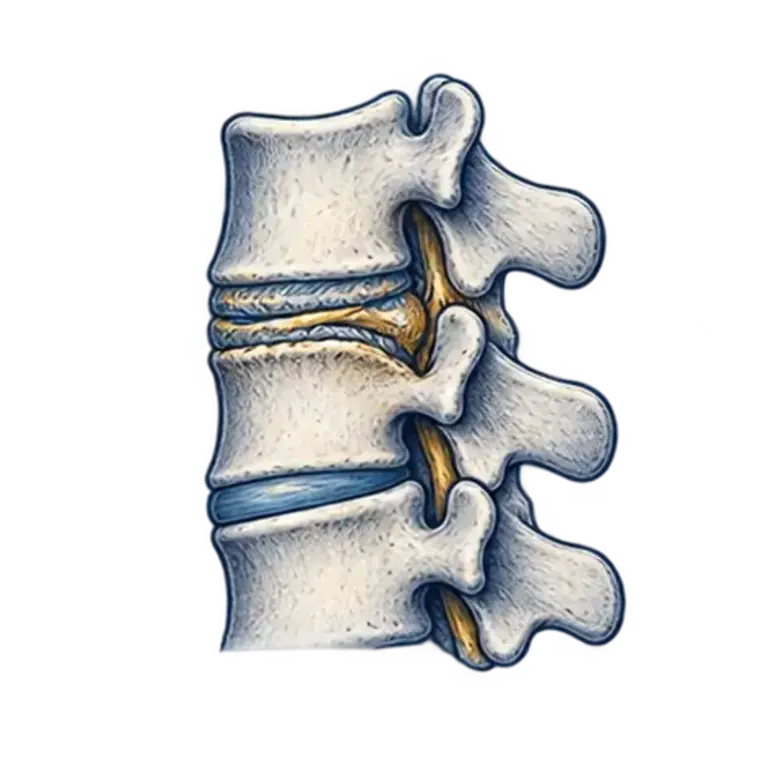
See how age-related disc changes are interpreted alongside symptoms, function and examination findings.
Explore the condition →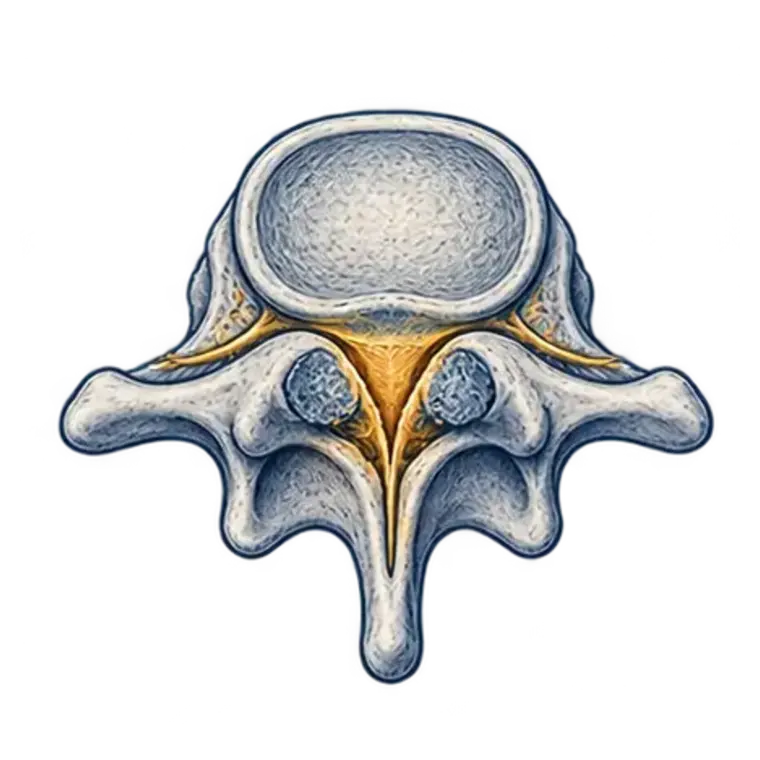
Explore how narrowing may affect standing, walking or neurological function—and why screening matters.
Explore the condition →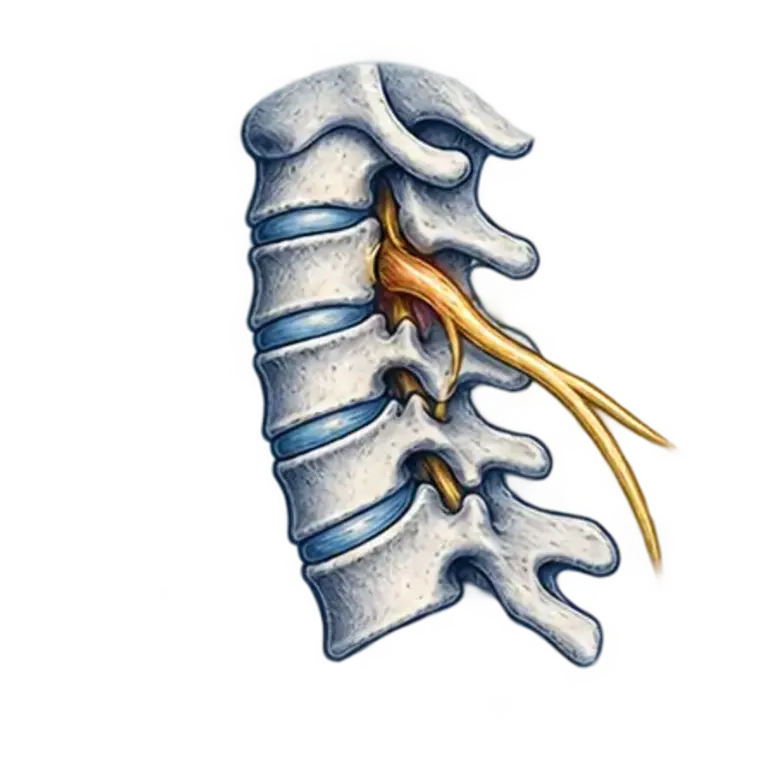
Understand how an irritated nerve in the neck may contribute to shoulder, arm or hand symptoms.
Explore the condition →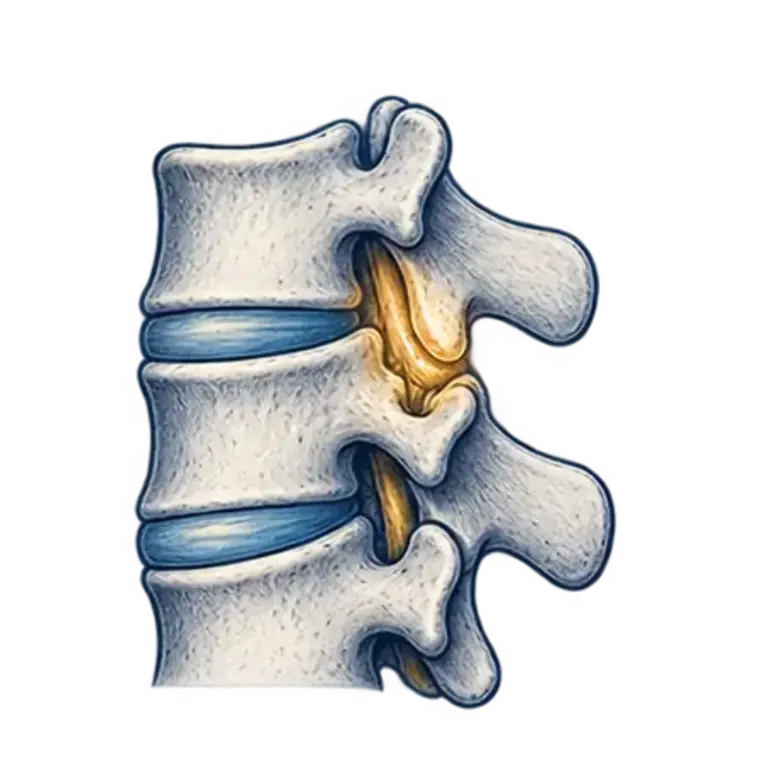
Learn why localized pain and stiffness do not always originate from a disc or compressed nerve.
Explore the condition →Beyond a Label
A responsible recommendation depends on more than recognizing a familiar condition name.
Your symptom location, aggravating positions, strength, sensation and movement findings should make clinical sense together.
Trauma, instability, progressive neurological changes and other health factors may require imaging, clearance or referral.
If the presentation is appropriate, positioning, force and goals are individualized rather than selected from a preset package.
Symptoms Worth Evaluating
Seek prompt medical evaluation for new bowel or bladder difficulty, saddle-region numbness, rapidly increasing weakness, major trauma or sudden loss of balance and coordination.
Begin With Clarity
A personal consultation can help determine whether decompression—or another next step—is appropriate for your case.