
Arrive comfortably
Wear flexible clothing and avoid bulky belts or restrictive garments when possible.
The Chino Hills Decompression Experience
From the first conversation to each table setting, the experience is designed around thoughtful screening, comfortable positioning and measurable goals—not a one-size-fits-all protocol.
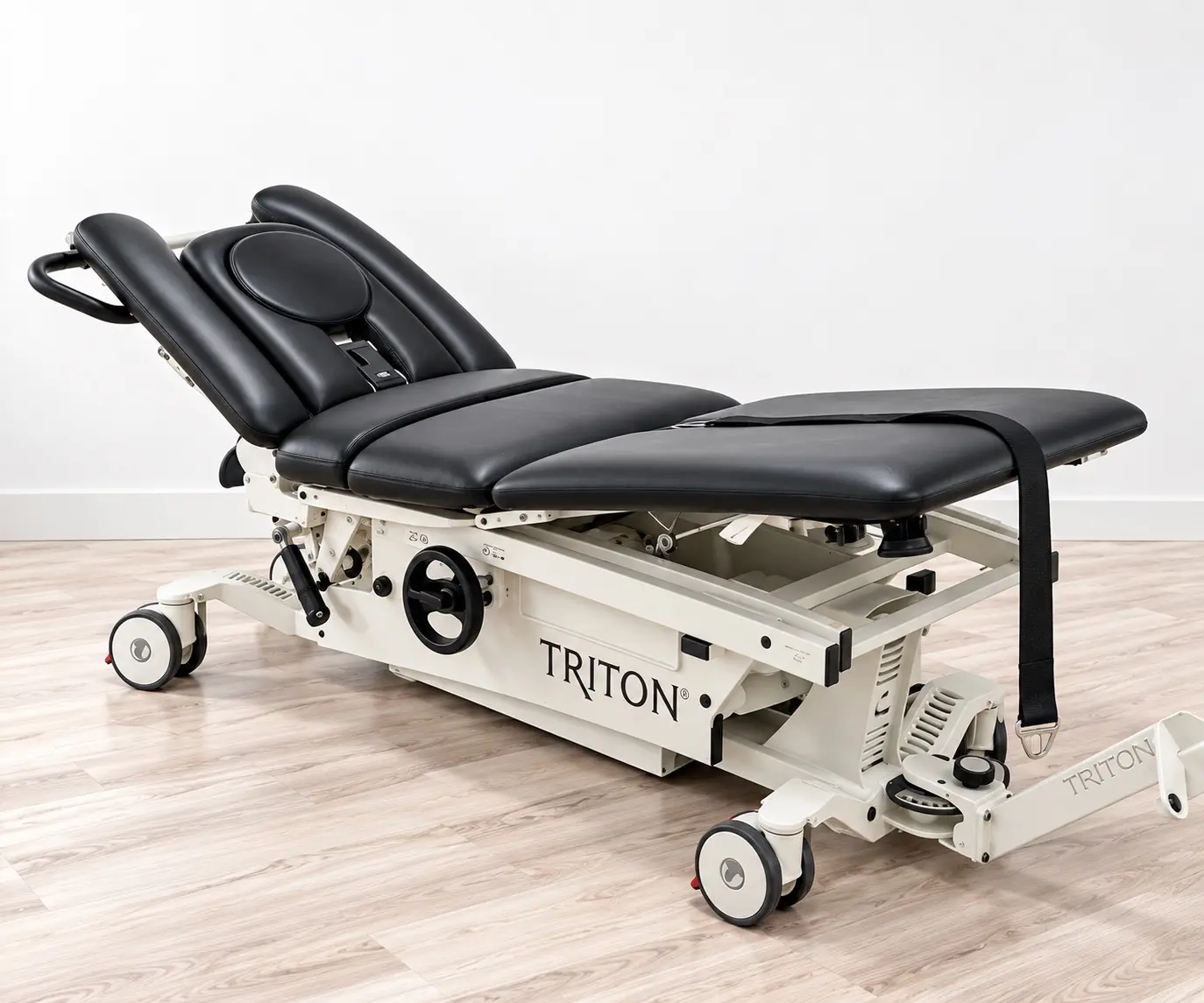
The Setting
A spinal care visit can feel technical without feeling impersonal. The treatment suite centers the decompression table in a quiet, private environment where questions are encouraged and each step is explained before it begins.
The table supports both cervical and lumbar positioning. The exact setup depends on the region involved, how symptoms behave and what the examination identifies.
Understand how decompression works →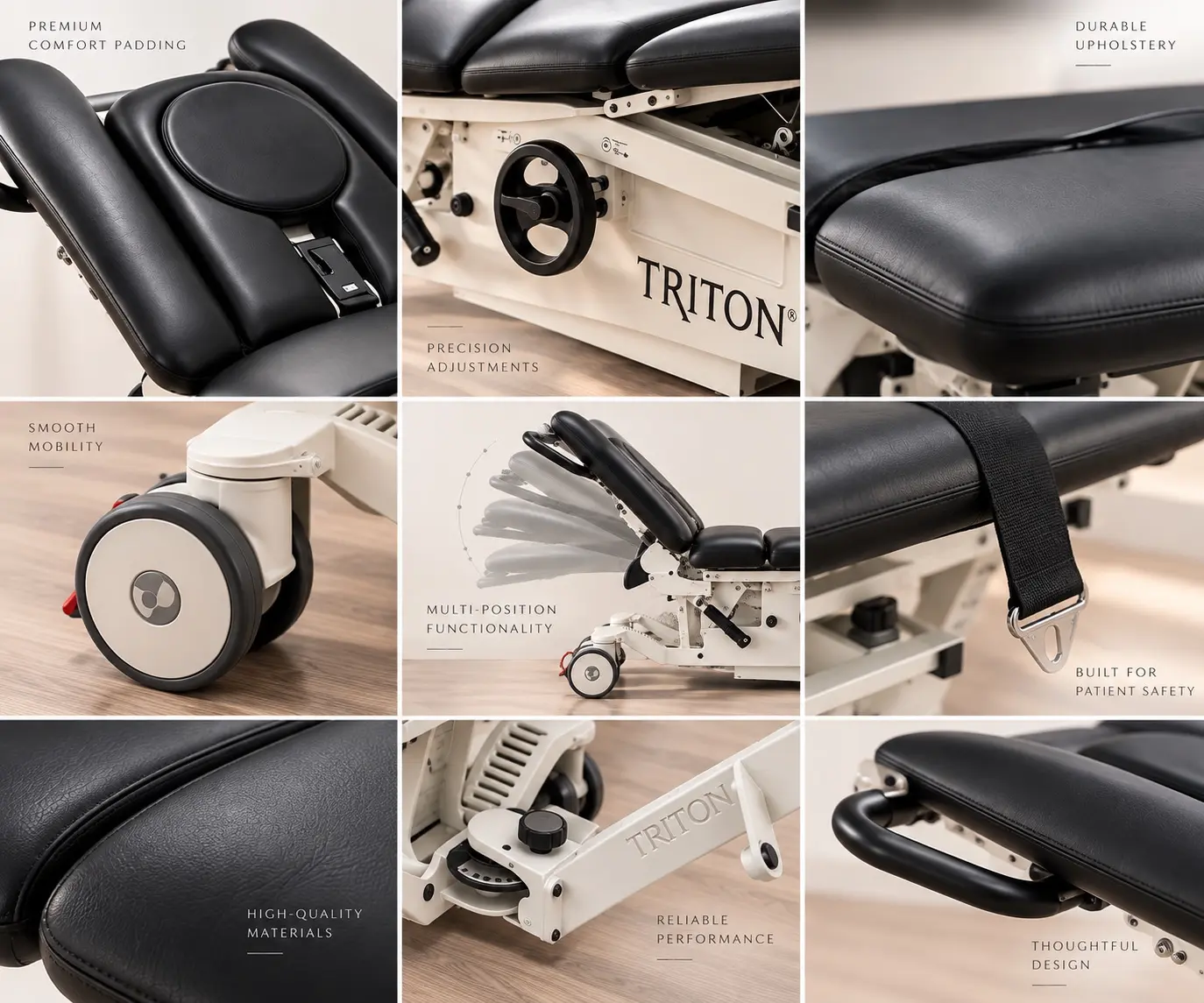
Your First Visit
The first visit is designed to determine what may be driving your symptoms, identify safety considerations and decide whether decompression belongs in your care plan.
Discuss how symptoms began, what aggravates or eases them, prior care, medical history, daily demands and the activities you want to regain.
Movement, orthopedic and neurological testing may be used to evaluate strength, sensation, reflexes and relevant functional patterns.
Existing imaging is considered in context. Additional imaging is recommended only when clinically appropriate and likely to affect the plan.
You receive a clear explanation of whether decompression, another conservative approach or referral is the responsible path forward.
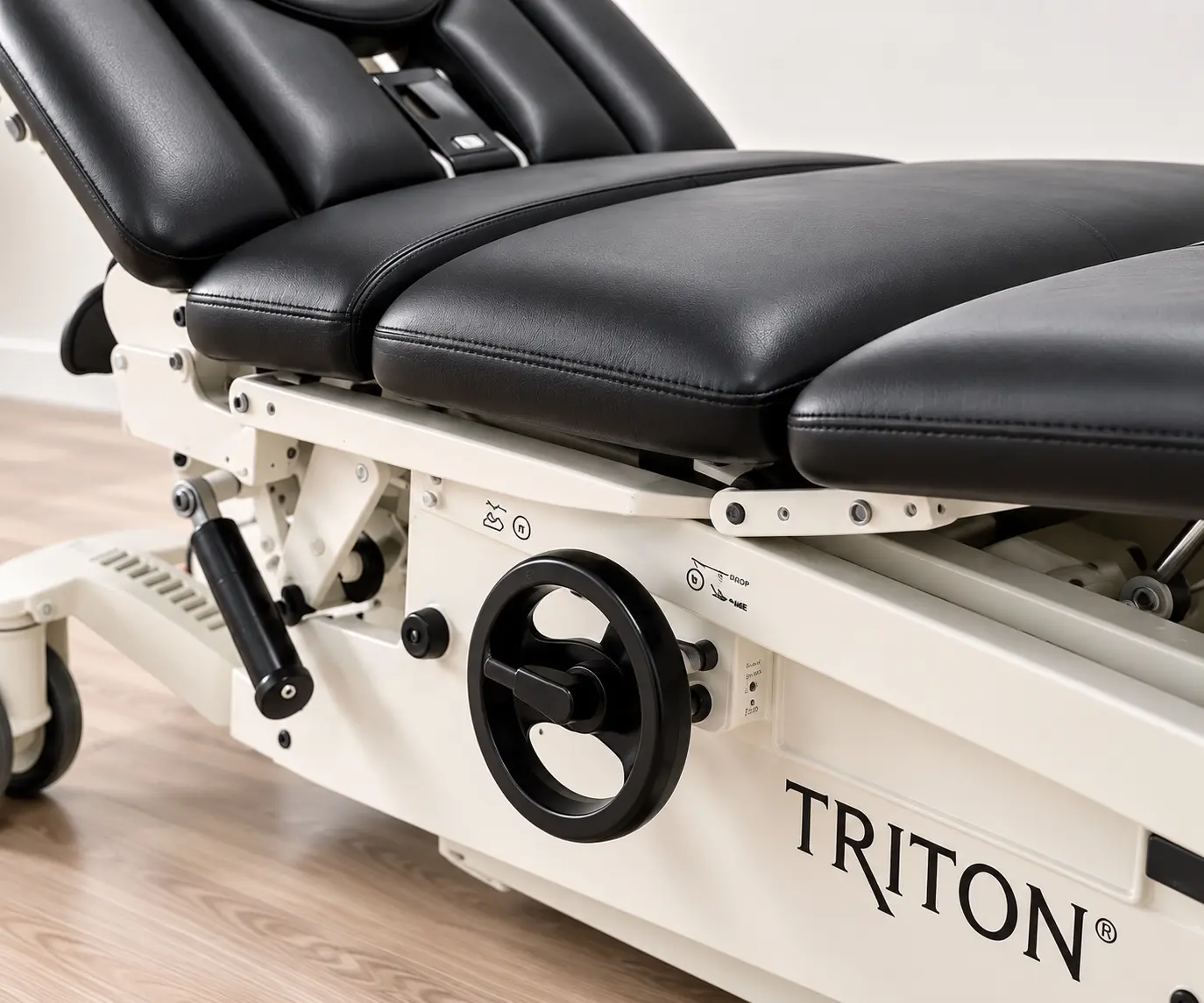
On the Table
The table applies gradual traction-and-release cycles according to an individualized setup. The intent is to alter mechanical loading in the selected spinal region while keeping the experience tolerable and controlled.
During a Session
Knowing the sequence removes uncertainty and allows you to focus on how your body responds.
Wear flexible clothing and avoid bulky belts or restrictive garments when possible.
Supports and straps are placed for the involved spinal region and checked before traction begins.
The first cycles are introduced conservatively while comfort and symptom response are monitored.
Immediate response is noted, but longer-term decisions are based on meaningful changes in function over time.
Progress With Perspective
Care should not run indefinitely on autopilot. Before beginning, practical goals are identified and the response is reassessed at appropriate intervals.
Individual Suitability
Disc-related symptoms, selected nerve-root presentations and some stable mechanical conditions may be considered after evaluation. The presence of pain—or an imaging finding alone—does not establish candidacy.
Explore conditions we evaluateSignificant trauma, certain fractures or instability, progressive neurological loss, severe bone-health concerns, infection, malignancy and other conditions may make routine traction inappropriate or require additional medical evaluation.
Urgent symptoms: New bowel or bladder difficulty, saddle-region numbness, rapidly increasing weakness or sudden major balance and coordination changes warrant prompt medical care.
Questions Before You Begin
The table applies controlled traction-and-release cycles. Sensation varies, so communication matters and the setup should be adjusted if it is not tolerable.
Not automatically. The first priority is determining whether decompression is an appropriate and safe option based on your history, examination and imaging when clinically indicated.
Table time varies according to the region being treated, the plan and individual tolerance. Specific timing is discussed after evaluation.
Comfortable clothing that allows easy movement and positioning is generally best. Avoid bulky belts or restrictive garments when possible.
Progress is evaluated using symptom behavior and practical goals such as sitting, walking, sleeping, lifting or returning to valued activities. The plan should be adjusted when meaningful progress is not occurring.
Content is educational, not a diagnosis or guarantee of outcome. Last reviewed September 14, 2026.
Begin With Clarity
Your consultation begins with your history, examination and goals—not a preset recommendation.